Cognitive Operating System for Human Decision Environments
A system that learns from human patterns — delivering 30–40% operational uplift through intelligent scheduling, expertise optimization, and behavioral efficiency.
The Challenge
Work was breaking down because people, decisions, and systems followed different logics.
Fragmented decision paths
High cognitive friction → human error
Systems reacting too late
No shared mental model of how work should flow
Scaling increased disorder instead of clarity
Diagnosis: The structure beneath the work was misaligned with how humans reason and act.
What I Designed
A cognitive architecture that aligns human reasoning with system behavior.
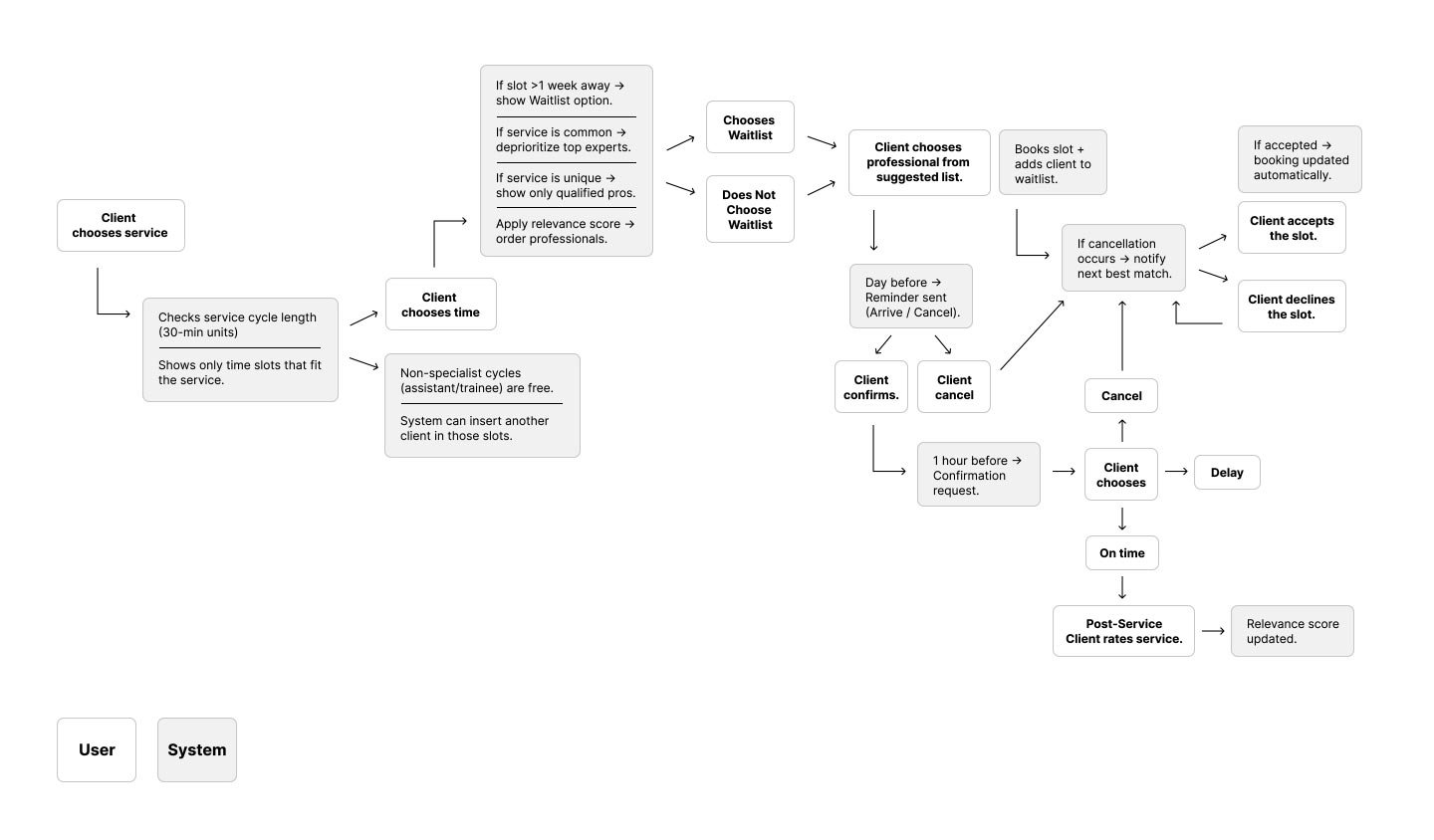
Decision Graphs
Cognitive Interaction Maps
System Behavior Loops
Value Flow Architecture
Human ⇄ System Feedback Circuits
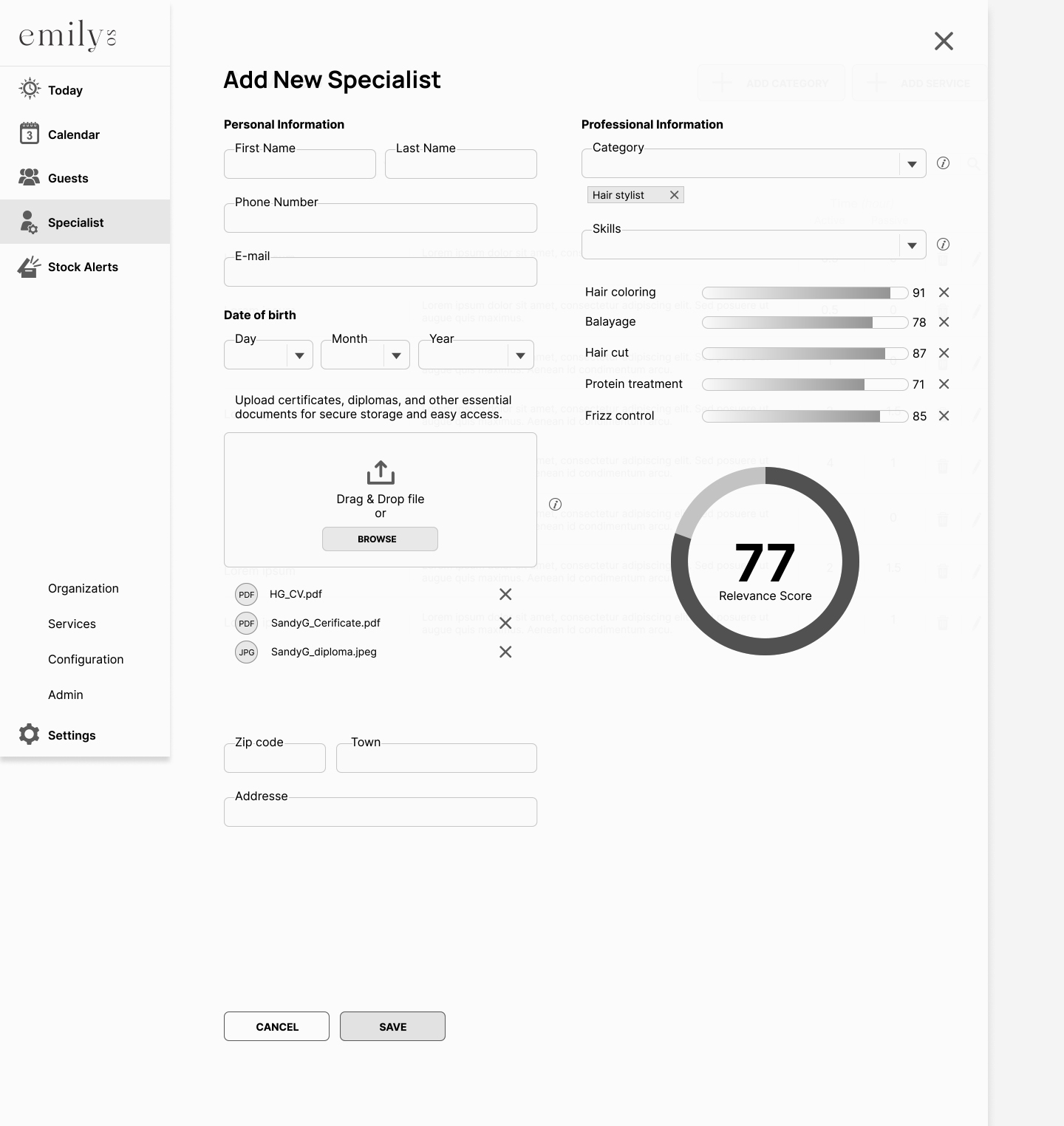
The system now understands intent — not just input.
The Strategic Logic
The transformation followed a 4-layer cognitive systems model:
1.
Identify the invisible forces generating chaos
2.
Rebuild the logic of decisions, not the interface
3.
Replace static workflow with adaptive behavioral ecosystems
4.
Align perception, motivation, structure, and operations into one coherent model
Behavior changes — because the system’s logic changes.
What Changed
A fragile, reactive system became a self-correcting intelligence.
Before
Human error unavoidable Teams react to problems People forced to adapt to software Scaling = more complexity Operational opacity
After
Errors prevented by system logic System predicts and prevents them Software adapts to human cognition Scaling = more coherence Real-time clarity and alignment
Outcome: Work feels smarter, faster, and psychologically friction-free.
Results
Cognitive load reduced → fewer mistakes
Decisions faster + more consistent
Trust increases across the organization
Scaling becomes a strategic advantage
The organization finally behaves as one system — not scattered parts.